Tribal Casinos Had a Record 2025, But Prediction Market Issue Looms

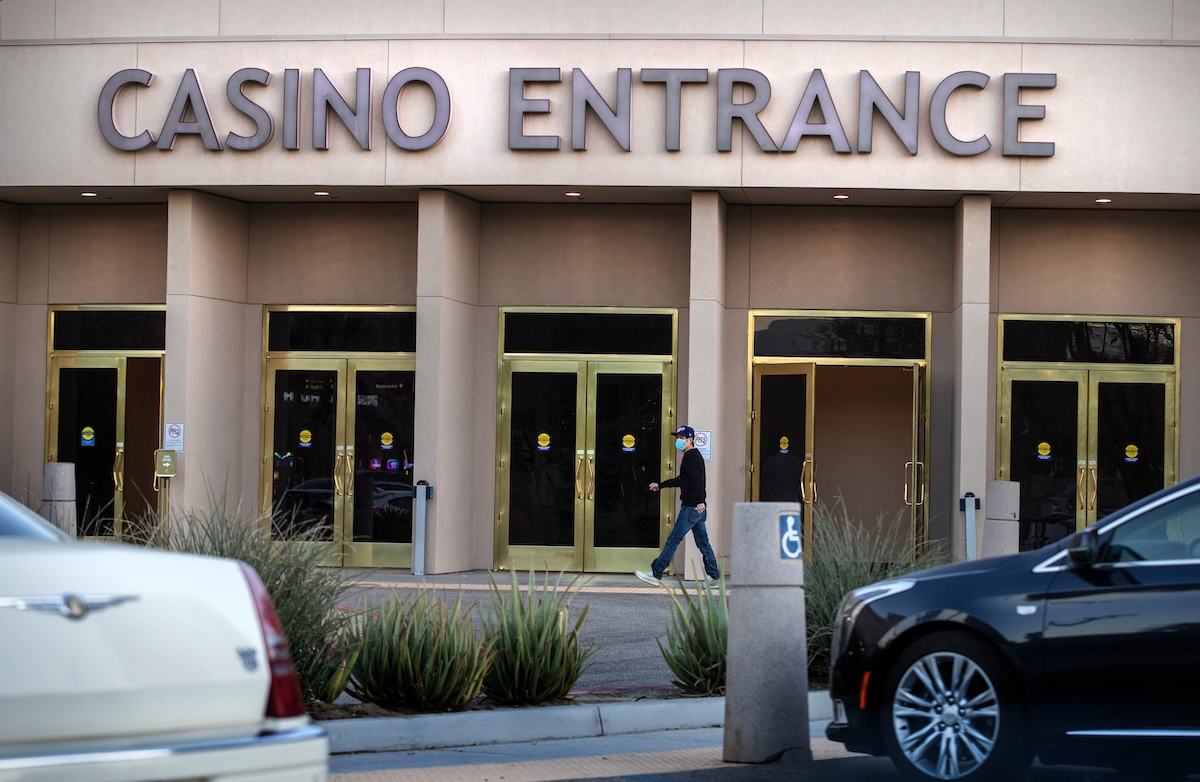
Tribal casinos had a record year for revenue in 2025, but the prediction market issue still looms large.
During the fiscal year, tribal casinos in the U.S. generated a record $46.2 billion in gross gaming revenue, according to a report from the National Indian Gaming Commission (NIGC). That's a 5% increase year over year.
Besides 2020, during the COVID pandemic, there has been a gross revenue record set every year since 2011. The NIGC report covered 250 tribes in 29 states, with 545 gaming facilities.
After the report came out, vice chairman of the NIGC Billy Kirkland said: “Indian gaming is an important contributor to tribal economies that empowers sovereign tribal governments to invest in their communities and provide their citizens with essential services.”
Questioning the NIGC and its effectiveness
There have been rumblings in the gaming industry that have raised issues with the NIGC. The main one arises from the leadership of the commission, or rather the lack thereof.
President Donald Trump has not nominated a chairman of the NIGC, and the role hasn't been filled since early 2024. The last NIGC chair was Sequoyah Simermeyer, and he stepped down in February 2024 to take a position with gambling giant FanDuel.
Massive numbers for tribal gaming in the US
The NIGC report showed that the two regions with the highest gross revenue last year were California and northern Nevada ($12.6 billion) and the East Coast region from Florida to New York ($11.2 billion). To put those massive numbers in perspective, both regions more than doubled the 2025 gross revenue of the whole Las Vegas Strip ($5.5 billion).
There are eight regions of tribal casinos in the U.S. The only one that failed to surpass 2024 numbers includes North Dakota, South Dakota, and the surrounding area. However, the decrease was less than 1% from 2024.
Prediction markets are a thorn in the side of tribal casinos
The biggest challenge to tribal gaming revenue has been the increased popularity of prediction markets such as Kalshi and Polymarket. The tribes receive tax money in states where online gambling is legal. However, they do not receive tax revenue from prediction market platforms, which are federally regulated by the Commodity Futures Trading Commission (CFTC).
The tribes have come together in opposing the prediction market platforms, which cost them gaming revenue. The chairman of the California Nations Indian Gaming Association, James Siva, recently stated that prediction markets have taken around 5% of gaming revenue from the tribes since the middle of last year.
Tribes have taken legal action
While tribal casinos had a banner year in 2025, the increased popularity of prediction markets will most likely increase gaming revenue losses for the tribes.
“If they are (allowed) to expand, we’re talking maybe we have a 25% gross gaming revenue loss within the next year,” said Siva on the potential for significant losses.
There have been three tribes in the states of New Mexico, California, and Wisconsin who have taken legal action with lawsuits against prediction market platforms. The tribes' arguments in those cases all revolve around violations of the Indian Gaming Regulatory Act and gambling compacts by the states, both of which state that the tribes receive revenue from any gambling activity in the state.