White House Insider Investigated Over Donald Trump 'Mention Markets'
A White House teleprompter operator is being investigated over alleged insider dealing on so-called “mention markets”.
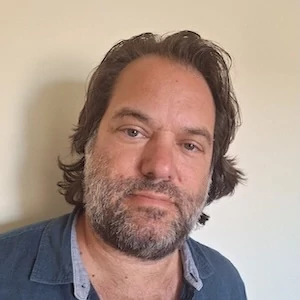
Gabriel Perez is accused of using knowledge of Donald Trump’s prewritten speeches to trade on prediction markets such as Kalshi.
According to reports, Perez made nearly $100,000 by playing Trump “mention markets”. These are prediction markets based on specific words mentioned by Donald Trump during speeches.
At a Glance:
- Gabriel Perez allegedly made over $90,000 trading on mention markets
- Kalshi froze Perez’s account before profits could be withdrawn
- Kalshi has also reported the matter to the CFTC
- Mention markets are trades on individual words spoken by politicians or commentators
- Perez now on unpaid leave, White House confirms
Trump mentions 19 words that triggered Kalshi contracts
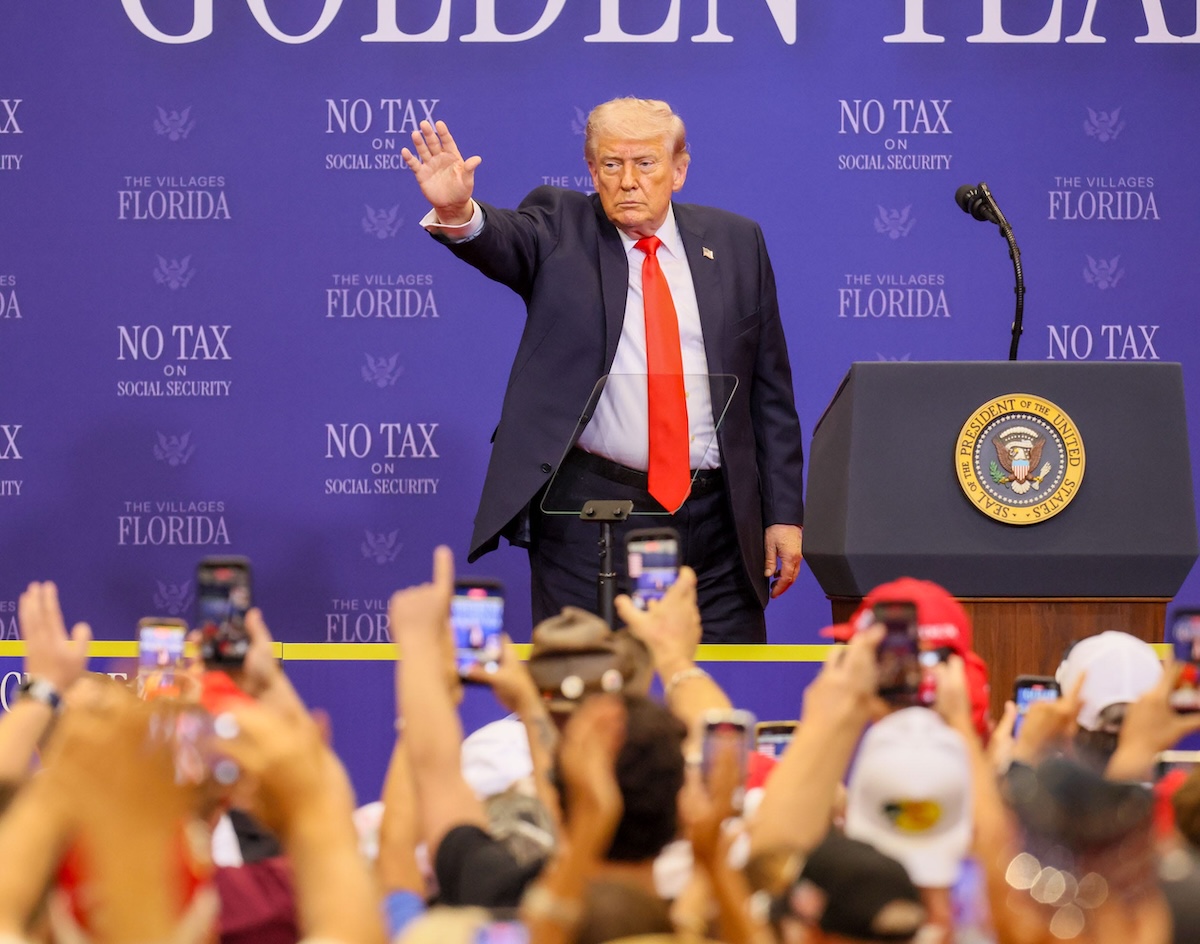
President Trump made his Speech to the Nation on Thursday, during which he accused China of interfering in the 2020 election. In fact, election fraud and China formed a large part of the 25-minute speech.
On the Kalshi market for ‘What will Trump say during his Speech to the Nation?’, 19 words or phrases resolved as ‘Yes’ contracts after they appeared in the speech:
- ‘China / Chinese’
- ‘Fraud’
- ‘Transgender’
- ‘Biden’
- ‘Barack Obama’
- ‘Cheat / Cheated / Cheater / Cheating’
- ‘Democrat’
- ‘Election’
- ‘Fake news’
How mention markets pay out
The growth in prediction markets is, in part, down to the range of leftfield subjects that traders can buy into.
For example, Kalshi offered a market on what Trump would say during his Speech to the Nation.
Traders buy and sell shares in which words they think will — or won’t — be mentioned by Trump.
High confidence in one word (e.g. ‘China’ or ‘Biden’) means a single contract will cost more than others.
Last week, a mention of the word ‘China’ was trading at $0.50 a share. With shares resolving at $1, you would earn $0.50 profit per share if you bought ‘China’.
Case highlights controversy over insider dealing
The latest fraud case highlights the controversy created by so-called mention markets and the opportunities for insider dealing.
Fraud cases are rare, but they illustrate how a prediction market can be exploited by someone with sensitive knowledge that other traders don’t have.
Donald Trump criticized prediction markets earlier this year after a soldier allegedly used classified information to profit on Polymarket.
Asked about prediction markets by a journalist, Trump said: “The whole world, unfortunately, has become somewhat of a casino. You look at what’s going on all over the world, in Europe, and every place they’re doing these betting things.
"I was never much in favor of it. I don’t like it conceptually, but it is what it is.”
To illustrate the point, in January, Army Master Sgt. Gannon Ken Van Dyke, was accused of buying Polymarket contracts on whether Venezuelan President Nicolas Maduro would be captured.
Maduro was snatched in a U.S. raid, resolving over 430,000 contracts and netting the soldier over $400,000 in profit.
Trump still backs CFTC
Despite Trump’s apparent antipathy toward the prediction markets, he still comes down on the side of federal regulation.
Earlier this year, the president called state regulators “scum'" for attempting to oversee prediction markets. Backing the CFTC, Trump praised Mike Selig, CFTC chairman, for “doing a great job” on regulating the markets.
Mention that markets, such as the one engulfing the White House this week, will surely be a thing of the past should states gain exclusive regulatory authority over Kalshi, Polymarket, and more.
For now, the powerful federal regulator continues to win in the courts. States like Arizona have tried and failed to gain control over prediction markets, which they claim operate just like online sportsbooks.