Lobbying Race in Washington: Prediction Markets vs. Their Opponents
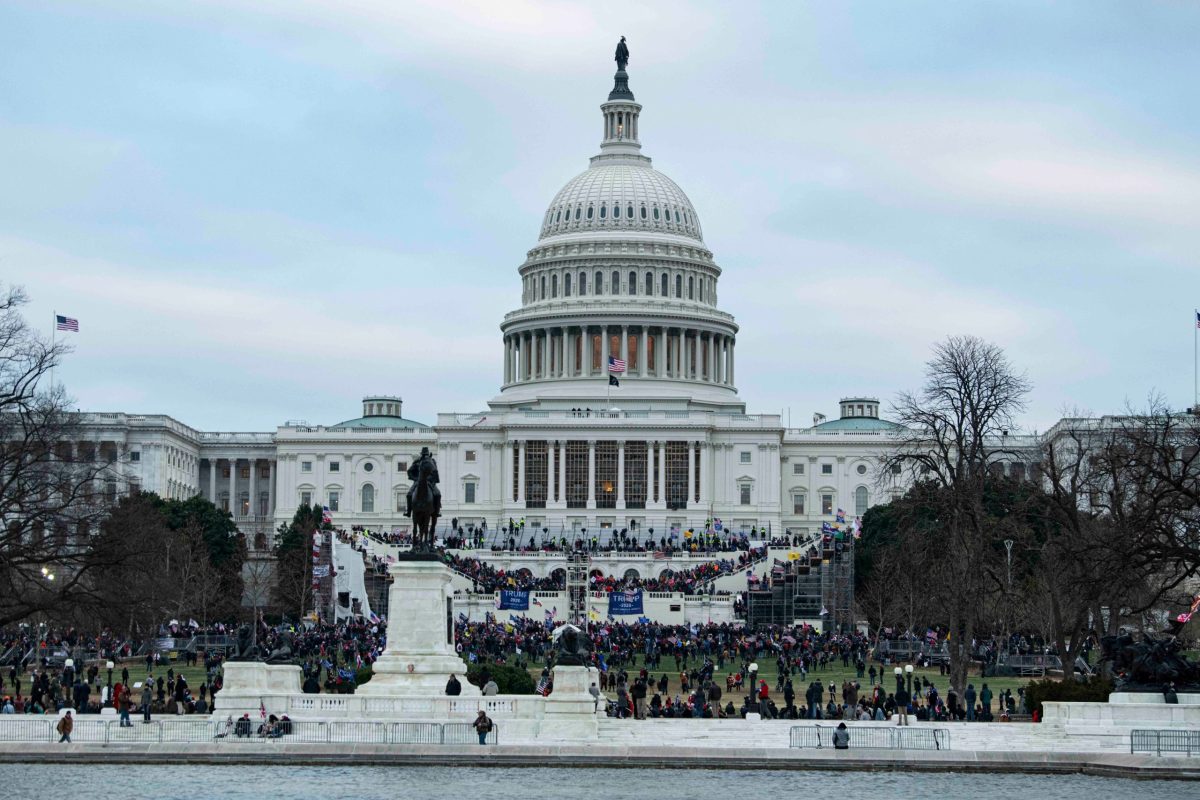
There is a lobbying race in Washington between prediction market platforms and their opponents in the gambling industry.
Both the top prediction markets, Kalshi and Polymarket, and their opponents are spending big bucks to try to influence federal lawmakers. This comes at a time when Congress and state gaming regulators have been critical of federally regulated prediction markets.
Lobbying race in Washington – By the numbers
Prediction Markets
According to recent filings, Kalshi has spent nearly a million dollars in the first half of this year on lobbying. That number increases to $1.8 million if you count the outside firms that the prediction market giant has hired. Those numbers are just for the first half of this year, and last year Kalshi spent $1 million on lobbying efforts.
The one lobbying firm that Polymarket uses spent $180,000 so far this year, which is on par with last year's $ 360,000 in lobbying spending. Kalshi has spent much more money to try to influence those in Capitol Hill, but they employ seven outside lobbying firms and one in-house, while Polymarket only employs a single outside one.
Prediction Market Opponents
Those that oppose prediction markets are also opening up their wallets to influence lawmakers.
The American Gaming Association (AGA) has spent nearly $1.4 million so far this year on lobbying efforts, and are set to spend more on those efforts than they did last year. When you take into account outside firms used by the AGA, the amount spent this year on lobbying is the same as Kalshi at $1.8 million. That number is a 30% increase on spending for the first half of last year.
The Cherokee Nation has land-based casinos and other gambling entities and have spent $600,000 in the first half of this year, which is more than it spent in the first half of last year.
Recent prediction market controversies
There have been recent controversies on the political level when it comes to prediction markets. This year there were trades on military action by the U.S. in both Iran and Venezuela that were flagged for insider trading.
In April, Army Master Sgt. Gannon Ken Van Dyke was arrested for insider trading. He was part of a group that led to the capture of Venezuelan president Nicolas Maduro. Polymarket had a trade that Maduro would or would not be captured by January 31. Van Dyke purchased contracts on December 30 and January 2 that Maduro would be captured, which he was on January 3, profiting VanDyke over $400,000.
This month, a teleprompter operator for the White House, Gabriel Perez, was suspended and is under investigation for inside trading. He made trades on Kalshi for what are called mention markets, which are trades on specific words used in speeches by President Donald Trump. Perez made almost $100,000 on the trades for a speech that he had specific knowledge of.
State level as well
The lobbying race comes at a time when there are also lawsuits from states against prediction market platforms as well as counter suits by them and the Commodity Futures Trading Commission (CFTC), which federally regulates them.