Prediction Markets Under Attack in US Senate Hearing

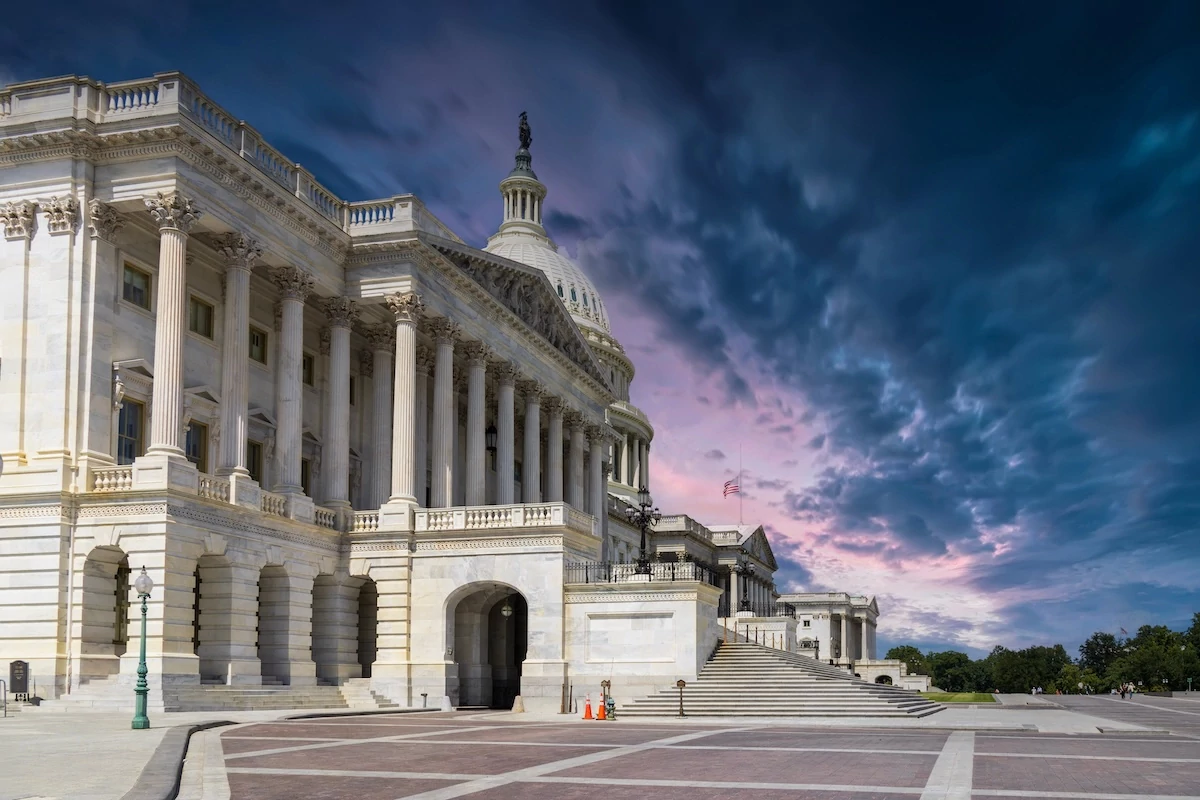
The expansion of prediction markets into sports betting has been attacked in a U.S. Senate hearing.
Senators at a commerce committee hearing expressed concerns about integrity as prediction markets continue to expand into sports. However, the effect of prediction markets on regulated states and tribal gaming was also flagged.
At a Glance:
- Impact of prediction markets discussed in first Senate hearing
- Integrity of sports among concerns raised by senators
- Prediction markets and sportsbooks “fundamentally different products,” says senator
- Potential regulation of the market could follow
Competing arguments from the Senate committee
The U.S. Senate hearing was convened by the Subcommittee on Consumer Protection. Essentially, it was intended to gather information on prediction markets and any associated harm.
Ultimately, it became clear that senators have wildly opposing ‘Yes’ and ‘No’ views on prediction markets.
“While prediction markets represent financial innovation across many sectors, there are real concerns that they function much like traditional sports betting without the enforcement of state regulators and attorneys general,” said subcommittee chair Marsha Blackburn (R-Tenn).
However, Rep. Patrick T. McHenry (R-NC) pushed back, highlighting the difference between online sportsbooks and prediction markets: “In a casino or sportsbook, the house sets odds and profits when customers lose. In a prediction market exchange, participants trade with one another while the platform earns transaction fees for facilitating the market.”
It’s worth noting that McHenry is an adviser for the Coalition for Prediction Markets, arguably having skin in the game.
Prediction markets vs. online sportsbooks
The differences between prediction markets and online sportsbooks are a key argument of the Senate hearing.
On prediction markets, you purchase “event contracts” instead of making bets. Contracts are bought and sold with other users, not the platform. The price is determined by the weight of money, so the “wisdom of the crowd” can be instrumental in setting the market.
Additionally, market prices can fluctuate before and sometimes during an event, such as a hockey game. You can sell your shares if the price rises or falls to lock in a profit.
Online sportsbooks like FanDuel use a centralized odds compiler to determine the price. You bet against the bookmaker, and the odds are fixed. An early cashout option is sometimes available, but not on all markets.
Impact on tribal gaming highlighted
The expansion of prediction markets into sports troubles some senators. U.S. Senator Maria Cantwell (D-Wash) wanted to know how prediction markets impacted tribal communities.
Under the Indian Gaming Regulatory Act (IGRA), tribes in multiple states have launched online sports betting. However, Cantwell argued, they now find themselves “competing with somebody that is not a regulated entity.”
Regulation is key to the central argument of anti-prediction market campaigners.
Sports betting is regulated by individual states. Prediction markets are regulated by the Commodity Futures Trading Commission (CFTC) as derivatives platforms.
However, rather than just accepting trades on political events, prediction markets now also offer sports betting contracts. That is set to explode next month as the FIFA World Cup kicks off. The World Cup is being held jointly by the U.S, Canada, and Mexico.
Some tribes have already hit back, with several New Mexico tribes suing the prediction giant Kalshi under IGRA rules.
Sports integrity concerns
Additionally, senators are moving to improve the integrity of sports wagering to avoid insider trading and allegations of corruption in sports.
“Anyone who cares about the integrity of sports should support federal protections to rein in this out-of-control industry,” said Paul Tonko (R-NY).
“I’m heartened that the Senate is holding this hearing.”